
What is Conversion Rate Optimization in Digital Marketing?
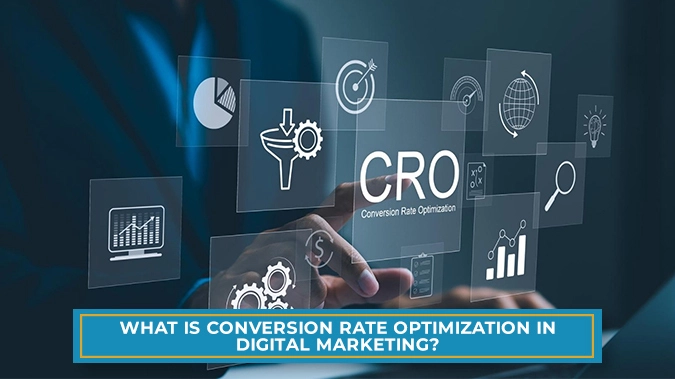
Conversion Rate Optimization (CRO) helps businesses turn website visitors into customers by improving user experience, refining landing pages, and using data-driven techniques. This guide explains the importance of CRO, key strategies, essential tools, and real success stories, helping brands boost conversions, maximize ROI, and achieve significant digital growth.
Businesses who want to generate significant revenue from their digital platforms, they have known how conversions are vital for them. No matter, whether you have your own e-commerce website, manage an online marketing team, or are responsible for the SEO efforts of your brand, conversion rate optimization is the key to draw more customers.
What is Conversion Rate Optimization?
Conversion rate optimization (CRO) is a marketing strategy that is used to enhance the percentage of an audience who performs desirable actions on a website. Such actions are called conversions which can include purchasing a product, clicking on “add to cart”, or filling out a form. By implementing successful CRO strategies, businesses aim to increase conversions by focusing on the customer experience. The main motive behind implementing these strategies is to maximize the effectiveness of a website in converting visitors into customers or leads.
Why Is CRO Important for Every Business?
For every leading business, CRO services are widely essential as they impact many important aspects like user experience, revenue generation, and marketing efficiency, which are key for business growth. Here is why CRO is essential for modern businesses:
- Data-driven decision making
- Reduced customer acquisition costs
- Increased revenue & profitability
- Improved user experience
- Enhanced SEO performance
- Understanding your audience better
- Maximizing marketing ROI
Many brands collaborate with an experienced Digital Marketing Agency in Pune to implement these CRO practices effectively and maximize their conversion potential.
How to Calculate Conversion Rate
It is simple to calculate conversion rate. You can calculate it by just dividing the number of conversions by the number of visitors and multiplying that number by 100 to get a percentage. The result will give you a percentage of conversion, otherwise known as your conversion rate.
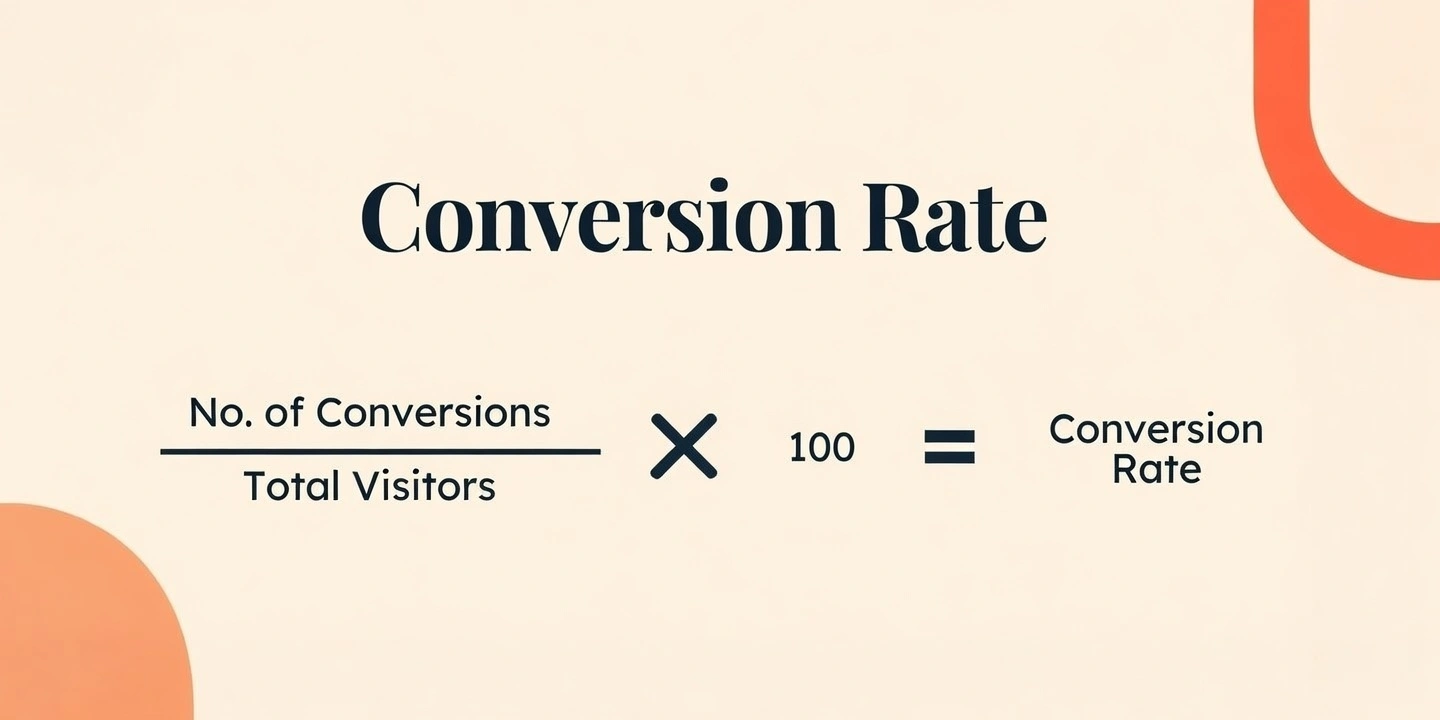
For example, if your website receives 1000 visitors in a month and for say, 50 of them make a purchase, the conversion rate would be:
50/1000*100 = 5%
Moreover, you can also use this formula to evaluate how well other areas of your business are actually doing. For example, you send a monthly newsletter to your audience and want to recognize how engaging it is. In that case, you need to divide the total number of email CTA clicks by the number of contacts who opened the newsletter.
Key CRO Techniques You Should Implement
There are several CRO techniques that help many businesses websites to improve their user behavior, optimize landing pages, and enhance CTAs to encourage desired user actions. These days, many modern businesses are widely adopting these techniques through professional Conversion Rate Optimization services to achieve higher conversions and boost user experience. Here are some key techniques that every business should surely take a note of:
1] A/B Testing
This CRO technique is also called split testing. It refers to the process of testing multiple variations of a web page to evaluate higher-performing variations and improve the overall conversion rate of the page. These variations examine following things:
- Formulate a clear hypothesis
- Test one variable at a time
- Ensure sufficient sample size and duration
- Analyze secondary metrics like bounce rate, performance across different audience segments, and time on page, thereby gaining a holistic view of user behavior.
2] Heatmaps & User Behavior Tools
These specific sets of tools like heatmaps and session recordings offer key insights into how users actually interact with a page. It helps identify friction points and optimize opportunities in following ways:
- Enable utilizing scroll maps for content placement
- Enable businesses to use click maps for identifying user engagement areas, the use of chatbots for lead generation.
- Help them watch user session recordings thoroughly to analyze user journeys, identify points of confusion, and clicks
- Help businesses combine user behavior insights with user surveys or feedback forms to understand “why” behind their actions not just “what”.
3] Landing Page Optimization
Landing pages are mainly visitor’s first impression and are specifically designed to gain conversions. These techniques perform following things:
- It ensures the content and messaging align with the search query and align with the user intent to drag the user's attention.
- It also reduces unnecessary links, pop-ups and unnecessary information to keep the user focused on the primary conversion goal.
- It prioritizes clear value of the page by directly communicating benefits and taking desired actions.
- It also helps businesses keep lead capture forms short by only asking for essential information. This further makes the process less daunting and enhances the frequency of completion rate.
4] Copywriting Improvements
The key to grab more audiences to your website is to have persuasive, clear, and action-oriented copy. This is essential for guiding users through the conversion funnel and building trust. Copywriting improvements helps are beneficial in following ways:
- They highlight the key benefits and features that solve users’ query.
- They majorly focus on clear and concise language
- These improvements also experiment with different messaging to see which words and angles resonate best with your target audience.
- These improvements also include customer testimonials, reviews, and case studies to build credibility and potential customers.
5] CTA Enhancements
“Call to Actions” are the direct prompts for users to convert. Therefore, they need to be effective and easy to spot:
- These enhancements include the use of action-oriented language, such as use of phrases like “Get Started”, “Download Now”, “Submit”, “Click Here”, "Learn More”, etc.
- They also ensure the visibility and contrast of the webpage by using contrasting colors to make CTA buttons stand out from the rest of the page.
- These improvements also ensure that the CTA offers the logical step in the user’s journey. For example, a blog post’s CTA can ask the user to download a guide, while a product page CTA encourages users to make a purchase.
Top CRO Tools You Can Use
Here are some best performing CRO tools that help modern businesses gain significant revenue from their websites:
Some best A/B testing tools for customization rate optimization
- Kameleoon
- Optimizely
- Optimonk
- A/B Tasty
Best analytics tools for conversion rate optimization
- Heap
- Adobe Analytics
- Mixpanel
Best landing page software for CRO
- Unbounce
- Leadpages
- Instapage
- Woorsie
- Cardd
Lead Capture Tools
- OptinMonster
- ConvertBox
- HelloBar
Best SEO Tools for Conversion Optimization
- Ahrefs
- SEMRush
- Moz
Best Survey Tools for CRO
- Typeform
- Survey Monkey
- Airtable
Best Behavioral Tools for Conversion
- Hotjar
- Crazy Egg
- FullStory
- Contentsquare
- VWO Insights
Best User Testing Tools
- Five Second Test by Lyssna
- UserVoice
Some Google Optimization Tools for Conversion Optimization
- GA4
- Google Forms (for Surveys)
- Google Search Console
Real-Life Examples of CRO Success
Example 1: Joe Geoghan, Senior Visual Brand Design Specialist at Optimizely, ran a test comparing the real book cover with an abstract version for The Big Book of Experimentation email campaign. As expected, the real cover performed better, so it became the primary choice across most email sends.
Example 2: Pullup & Dip, a Bavarian fitness equipment brand, struggled with Shopware due to poor usability, separate hosting, and checkout issues affecting conversions. After migrating to Shopify Plus, the brand saw major improvements, including seamless integrations, modern design options, and easier customization. This shift delivered a 348% boost in conversion rates, a 48% rise in sales, and a faster, more reliable checkout.
Example 3: Shop Pay enables mobile shoppers to complete their purchases faster than ever. According to Shopify, merchants like Kotn using Shop Pay experience a 1.91x higher mobile checkout-to-order rate compared to those relying on standard checkouts.
Example 4: Insurance Broker revamped their PPC landing page based on a competitor analysis audit and conducted an A/B test against the original page. The results showed a significant improvement from 8% to 15% i.e (90% increase in conversions and a notable reduction in cost per conversion).
Final Thoughts
Conversion Rate Optimization services have become integral to any digital business. By implementing the right techniques, leveraging powerful CRO tools, and continuously testing user behavior, brands can improve user experience, boost conversions, and maximize ROI. With a strategic, data-driven approach, businesses can transform visitors into loyal customers more efficiently than ever.
Looking for genuine tips to increase your conversions and boost revenues? Get a free CRO audit with Saletify today!
FAQs:
1. What is Conversion Rate Optimization (CRO)?
CRO is the process of improving your website or landing pages to encourage more visitors to take desired actions, such as making a purchase or filling a form.
2. Why is CRO important for your business?
CRO boosts revenue, lowers acquisition costs, enhances user experience, and improves ROI by converting more existing visitors without increasing traffic.
3. How do I calculate my conversion rate?
Divide the number of conversions by total visitors, then multiply by 100.
For example: 50 conversions ÷ 1000 visitors × 100 = 5%.
4. Which CRO techniques deliver the fastest results?
A/B testing, optimizing CTAs, improving landing page design, and using heatmaps to fix user friction points usually show quick, measurable improvements.
5. What tools should I use for effective CRO?
Tools like Google Analytics, Hotjar, Optimizely, Unbounce, Typeform, and SEMRush help analyze user behavior, run tests, optimize pages, and gather insights.